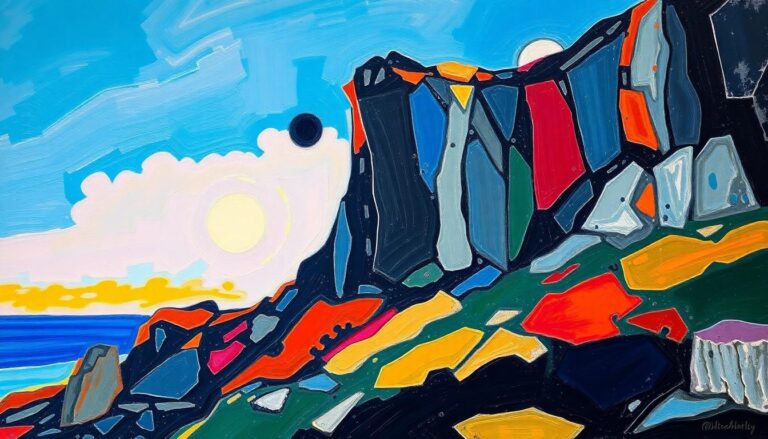


Tsunami painting might sound like a wild art project gone wrong, but it’s actually a fascinating blend of creativity and nature’s raw power. Imagine capturing the beauty and chaos of waves crashing against the shore, all while avoiding a watery disaster. Artists dive into this unique genre to express the awe-inspiring force of tsunamis, transforming fear into stunning visuals that make you think twice about your beach vacation.
Understanding Tsunami Painting
Tsunami painting captures the duality of nature’s beauty and its chaos. This art form evokes emotions while providing a unique perspective on powerful ocean waves.
Definition and Origin
Tsunami painting refers to a genre that portrays tidal waves and their impact on landscapes and communities. Artists often draw inspiration from historical tsunami events, blending realism with abstraction. Techniques vary from traditional brushwork to contemporary styles that utilize multimedia. Originating after significant tsunamis like the 2004 Indian Ocean disaster, it gained focus as a way to process these impactful occurrences.
Cultural Significance
Cultural contexts shape the interpretation of tsunami paintings. In Japanese culture, these artworks connect deeply with Shinto beliefs about nature’s power, emphasizing harmony and respect. Coastal communities recognize tsunami paintings as a means to honor those affected by tragic events while celebrating resilience. Many viewers find inspiration in the dynamic representations, urging awareness of environmental issues. Exhibitions of these pieces often foster dialogues on natural disasters and evoke empathy toward vulnerable populations.
Techniques Used in Tsunami Painting

Artists employ various techniques in tsunami painting to capture the essence of nature’s fury and beauty. Different approaches help convey powerful emotions associated with waves and their impact.
Brushwork and Color Palette
Brushwork plays a vital role in tsunami painting. Swift strokes create dynamic movement, resembling crashing waves. Layering techniques often enhance depth, giving a three-dimensional feel to artworks. Artists tend to favor bold colors like deep blues and vibrant greens, symbolizing the ocean’s liveliness. Earthy tones highlight contrasts between tranquility and chaos. Additionally, subtle gradients may depict the transition between calm waters and turbulent seas. Each choice in brushwork and color evokes specific feelings, eliciting a visceral response from viewers.
Materials and Mediums
Multiple materials and mediums contribute to the uniqueness of tsunami paintings. Oil paints frequently serve artists seeking rich textures and depth. Acrylics, known for their quick-drying properties, allow for fast layering and vibrant finishes. Some artists experiment with watercolors, creating softer, fluid representations of ocean waves. Other tools like palette knives generate sharp lines and bold textures, enhancing the chaotic aspects of works. Many also incorporate mixed media, combining traditional painting techniques with digital elements or found objects for added dimension. Each medium offers distinct advantages, enabling artists to portray their vision of tsunami events effectively.
Influential Tsunami Painters
Tsunami painting has garnered attention due to several influential artists who uniquely interpret this powerful theme.
Notable Artists and Their Styles
Artists such as Katsushika Hokusai and Takashi Murakami have made significant contributions. Hokusai’s signature wave prints exemplify motion and detail, while Murakami combines traditional aesthetics with contemporary pop-art elements. Contemporary artists like SHINPEI and Yayoi Kusama also explore tsunami themes, infusing emotion into their dynamic representations. Each artist employs distinct techniques, blending vibrant colors and textured strokes that evoke the ocean’s ferocity and beauty.
Impact on the Art Community
The rise of tsunami painting has sparked important dialogues within the art community. These artworks challenge perceptions of natural disasters, prompting conversations about resilience and recovery. Exhibitions dedicated to tsunami painting attract diverse audiences, fostering appreciation for environmental themes. Artists frequently collaborate, pushing boundaries and merging their styles to explore complex narratives around disaster. Overall, this genre encourages deeper engagement with environmental issues, driving home the power of art as a tool for awareness and reflection.
Themes Explored in Tsunami Painting
Tsunami painting intricately examines the interplay between nature’s might and human experiences. This art form brings awareness to both the beauty and destruction that tsunamis embody.
Nature and Destruction
Artworks in this genre vividly depict nature’s overwhelming force. Waves crash with intensity, portrayed in various styles, illustrating their potential for devastation. Artists capture destructive moments while highlighting the natural surroundings transformed by these events. Their brushstrokes convey the chaotic energy that temporary beauty can create, allowing viewers to reflect on the balance between tranquility and disaster. Tsunami painting also draws upon historical events, portraying landscapes impacted by water’s ferocity. Through vibrant colors and dynamic compositions, these pieces offer insights into the awe-inspiring yet terrifying aspects of nature.
Human Emotion and Resilience
This genre resonates deeply with human experiences, revealing emotions that disasters evoke. Artists encapsulate feelings of fear, loss, and hope through expressive forms. Resilience emerges as a prominent theme, showcasing communities rebuilding while honoring those affected by tragedy. Each painting tells a story, connecting viewers to the shared human experience of grappling with nature’s power. Color choices infuse works with emotion, where blues and grays denote sorrow, and warm tones symbolize hope and recovery. Dialogue within this art form encourages reflection on personal and communal strength in the aftermath of environmental challenges.
Tsunami painting stands as a profound expression of nature’s duality. It captures the beauty and chaos of ocean waves while inviting viewers to engage with the emotional weight of historical events. Through diverse techniques and materials, artists convey the raw energy of tsunamis, transforming fear into captivating visuals.
This genre not only honors those affected by natural disasters but also fosters resilience and dialogue within communities. By exploring the interplay between devastation and recovery, tsunami paintings encourage a deeper understanding of environmental issues. As this art form continues to evolve, it remains a powerful reminder of nature’s impact and the strength of the human spirit.