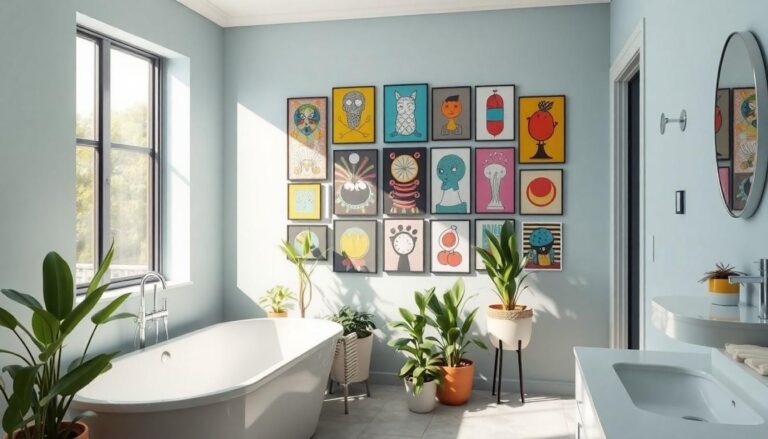

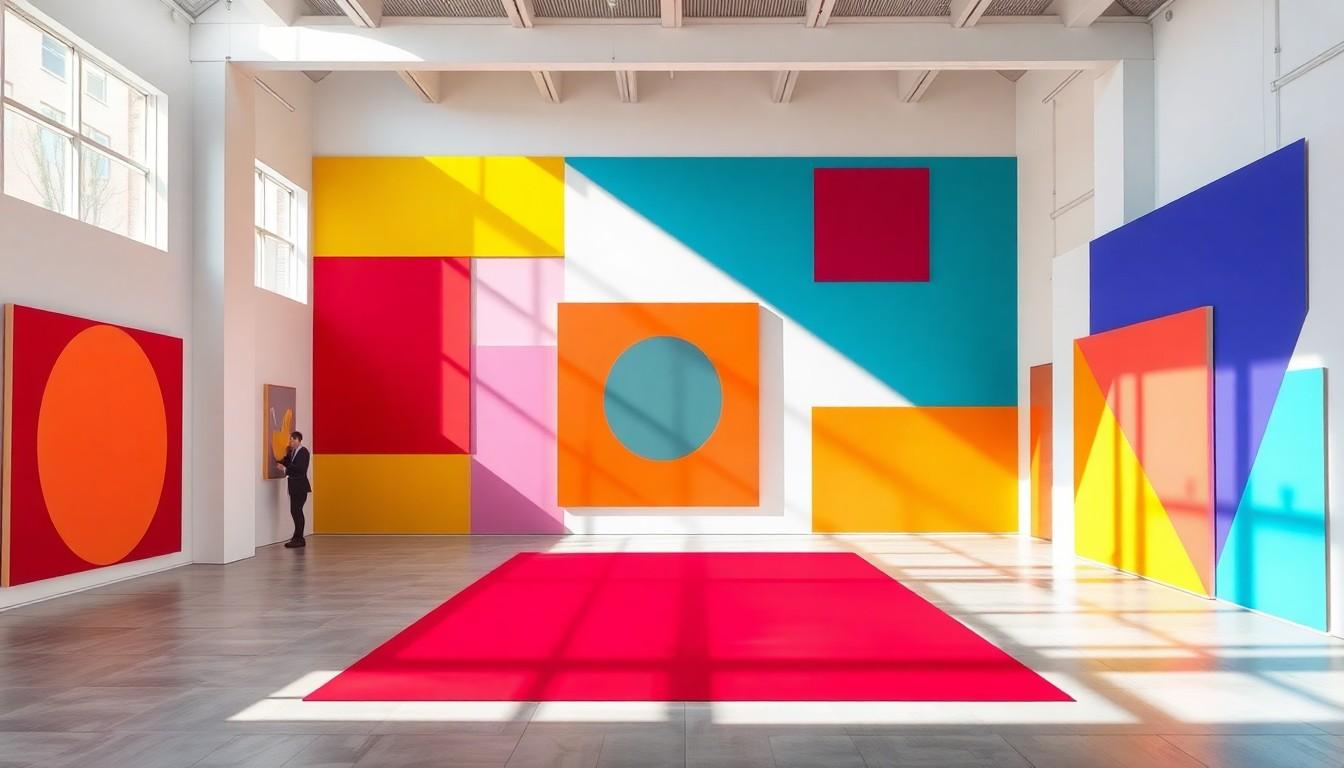
In a world where complexity reigns, simple modern art bursts onto the scene like a breath of fresh air—or maybe just a splash of paint on a blank canvas. It’s that delightful paradox where less really is more, inviting viewers to explore meaning beyond the surface. Who knew that a few bold lines and vibrant colors could spark such joy and conversation?
Overview of Simple Modern Art
Simple modern art focuses on minimalistic designs that often blend functionality with aesthetics. This art form strips away unnecessary details, enabling powerful visual communication through essential elements. Bold lines characterize many works, emphasizing symmetry and balance. Vibrant colors play a significant role, creating emotional resonance and stimulating viewers’ imaginations.
Artists often use geometric shapes to convey complex ideas simply. Abstract forms can invite various interpretations, encouraging dialogue and reflection. The lack of intricate details allows for personal connections, where viewers can project their thoughts and feelings onto the artwork.
This genre also embraces space and light, making each piece a dynamic interaction with its environment. The interplay of colors and lines can transform perceptions, promoting a sense of openness. Each artwork stands as a testament to creativity, inviting individuals to explore their understanding of beauty in straightforward ways.
Simplicity in modern art doesn’t imply a lack of depth. Many artists aim to challenge conventional notions of beauty by reducing complexity. Less becomes more, offering clarity amid chaotic surroundings. Viewers often find themselves engaged, pondering the motives behind a piece’s creation.
Finally, simple modern art continues to evolve, integrating various mediums and techniques. Digital tools, for example, provide new avenues for expression, while traditional methods still hold significant value. This adaptability ensures its relevance across diverse platforms and audiences.
Characteristics of Simple Modern Art
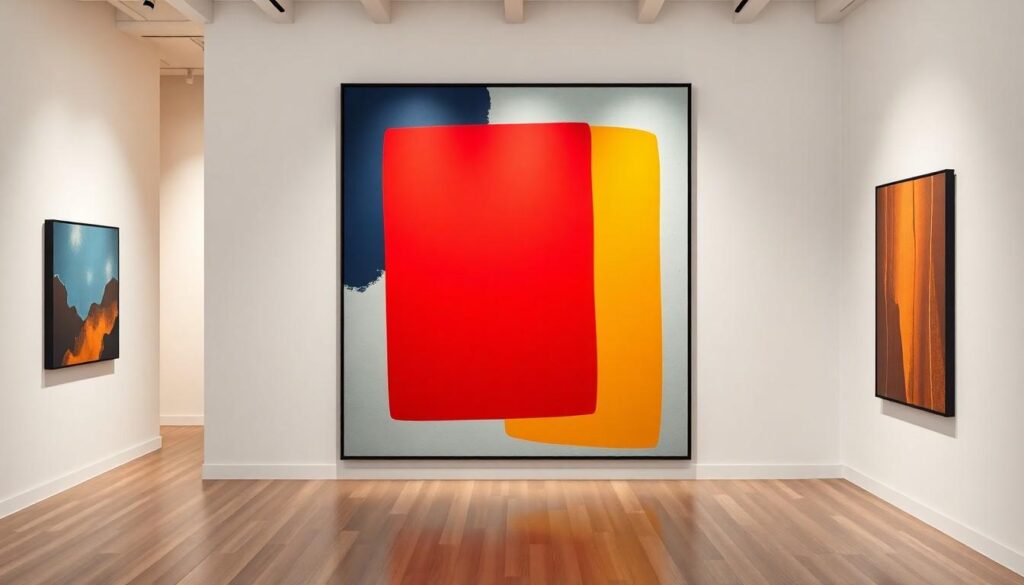
Simple modern art exhibits distinct characteristics that make it unique. This art form embodies an emphasis on minimalism, focusing on the essentials while discarding the extraneous.
Minimalism in Design
Minimalism in design features clean lines and uncluttered compositions. Artists often use geometric shapes that evoke clarity and precision. Fewer details allow viewers to appreciate fundamental elements without distraction. The intentional simplicity invites deeper contemplation, making the viewer’s experience personal. This approach aligns with contemporary ideals, pushing boundaries while maintaining focus on what’s significant. Additionally, it cultivates a sense of calm, providing a visual respite from overly complex environments.
Use of Color and Form
The use of color and form enhances the emotional impact of simple modern art. Vibrant hues often convey strong messages, drawing immediate attention. Bold colors can evoke joy, excitement, or tranquility. Forms are frequently geometric, linking visual stability with emotional resonance. Each chosen color and shape works together to create meaningful interpretations, inviting viewer engagement. This synergy encourages conversations, as individuals may perceive different emotions based on personal experiences. Overall, the combination of color and form establishes a dynamic dialogue within the artwork.
Notable Artists in Simple Modern Art
Simple modern art showcases various influential and emerging artists who embody the principles of minimalism and vibrant expression. These creators significantly shape contemporary art through their unique interpretations.
Influential Figures
Jackson Pollock exemplifies the modern art movement with his drip painting technique. His works explore the relationship between color and form, engaging viewers in dynamic experiences. Piet Mondrian, another key figure, emphasized geometric abstraction and primary colors, pioneering a style focused on order and simplicity. Their contributions continue to inspire countless artists who prioritize clarity and emotional resonance in their work.
Emerging Artists
Many emerging artists bring fresh perspectives to simple modern art. For example, Shantell Martin utilizes black and white line art, transforming spaces into immersive narratives. Her collaborations often encourage dialogue through playful simplicity. Additionally, Ekene Ijeoma addresses complex social issues through minimalistic pieces, inviting viewers to reflect deeply on contemporary life. This new generation invigorates the art scene, blending innovation with traditional minimalistic principles.
Impact of Simple Modern Art
Simple modern art significantly influences cultural and artistic landscapes. This art form’s emphasis on minimalism fosters unique connections within society.
Cultural Significance
Simple modern art reflects contemporary values, often addressing themes like identity and social dynamics. Artists utilize minimalistic elements to provoke discussions, challenging established norms. The accessibility of this genre encourages widespread engagement, allowing diverse audiences to find meaning. Exhibitions worldwide showcase its cultural relevance, illustrating how simplicity resonates across various demographics. Communities benefit from public installations that invite interaction and contemplation. Recognition of cultural narratives often emerges through the art, inspiring collective reflection on pressing societal issues.
Reception in the Art Community
The art community increasingly embraces simple modern art for its innovative approaches. Critics often praise its ability to merge aesthetics with profound messages. Notable galleries feature prominent exhibitions highlighting minimalist pieces that captivate viewers. Emerging artists contribute fresh perspectives, invigorating traditional methods. Collectors seek these works due to their emotional depth and clarity, reinforcing value in simplicity. Influential art institutions recognize the genre’s evolving nature, resulting in continuous dialogue about its impact on contemporary art. Reactions from audiences reveal an appreciation for the layered meanings behind seemingly uncomplicated visuals.
Simple modern art stands as a testament to the power of minimalism in a complex world. Its ability to evoke emotions and stimulate conversations resonates with audiences across various backgrounds. By stripping away the unnecessary and focusing on essential elements, this art form invites viewers to engage deeply and reflect on their personal experiences.
The vibrant colors and bold lines create a dynamic interplay that challenges traditional perceptions of beauty. As it continues to evolve, simple modern art remains relevant, addressing contemporary themes and fostering connections within society. This genre not only captivates art enthusiasts but also encourages broader engagement, making it a vital part of today’s cultural landscape.