

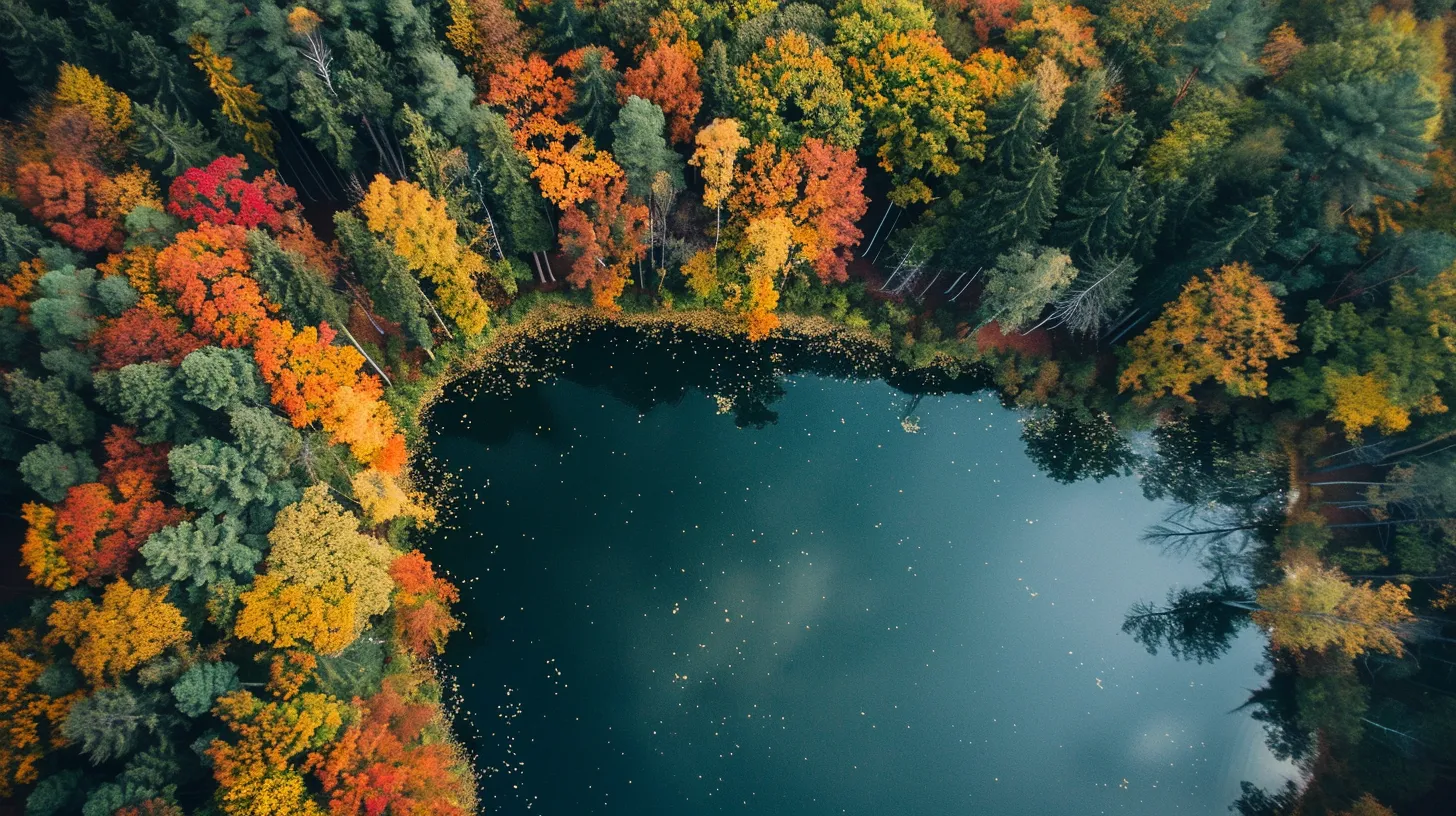
In a world where everyone’s a photographer thanks to smartphones, standing out can feel like trying to find a needle in a haystack. Enter drone photography jobs—the aerial acrobatics of the photography realm. These gigs not only let you capture breathtaking landscapes from above but also offer a chance to make a living while flying high, literally.
Overview of Drone Photography Jobs
Drone photography jobs offer photographers a distinctive edge in a competitive market. These roles allow professionals to create captivating aerial imagery while pursuing a rewarding career path.
Types of Drone Photography Jobs
Various positions exist within the drone photography sector. Real estate photographers utilize drones to showcase properties from unique angles. Event photographers capture weddings and outdoor gatherings from above, adding a dynamic perspective. Some individuals specialize in agricultural photography, providing farmers with aerial views of crops to assess health and yield. Filmmakers increasingly hire drone operators to enhance cinematic experiences. Each type of job presents specific opportunities tailored to distinct interests, catering to both creative and strategic aspects of photography.
Required Skills and Qualifications
Aspiring drone photographers should develop essential skills before entering the field. Proficiency in operating UAVs remains crucial, as safety and control are top priorities. Familiarity with photography principles, such as composition and lighting, enhances the quality of captured images. Knowledge of post-processing software like Adobe Photoshop is beneficial for refining photographs. Obtaining a Remote Pilot Certificate from the Federal Aviation Administration assures compliance with regulations. Passion for continuous learning helps individuals adapt to evolving techniques and technologies in this dynamic industry.
The Demand for Drone Photography
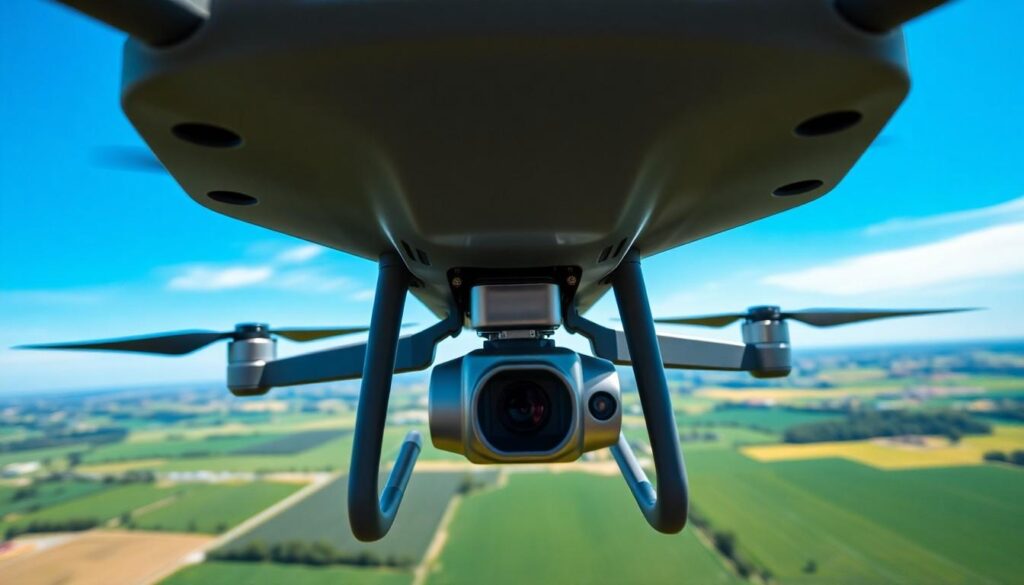
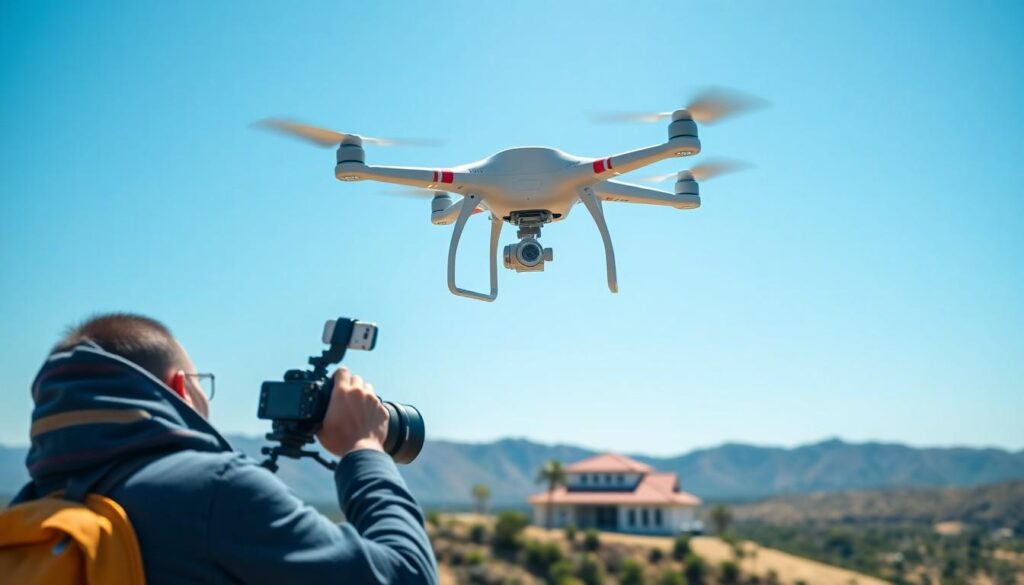
Demand for drone photography has surged in recent years, reflecting the growth of visual content across various sectors. Companies seek unique aerial shots that enhance marketing materials and tell compelling stories.
Industries Hiring Drone Photographers
Real estate firms frequently rely on drone photographers to showcase properties from captivating angles. Event planners also utilize aerial imagery to capture memorable moments during large gatherings. Additionally, the agricultural sector benefits from drone photography, employing it to monitor crop health and optimize yields. Filmmakers see the value in aerial footage, using drones to create stunning visuals for movies and advertisements. Various industries continue to recognize the advantages of incorporating drone photography into their strategies.
Growth of the Drone Photography Market
The drone photography market is projected to expand rapidly, with a value expected to reach $5.4 billion by 2025. Increased adoption of drones across industries fuels this growth, as businesses recognize the cost-effectiveness of aerial photography. Technological advancements in drone capabilities enhance their usability, making them more accessible to aspiring photographers. Regulatory changes also support the proliferation of drone usage, encouraging more individuals to enter the market. As demand rises, job opportunities for skilled drone photographers increase, contributing to vibrant career prospects.
How to Get Started in Drone Photography
Getting started in drone photography requires an understanding of equipment and the importance of a solid portfolio. Aspiring photographers must focus on specific aspects to build a successful career.
Essential Equipment for Drone Photography
Choosing the right drone is crucial. Popular options include the DJI Mavic Series and the Phantom Series. Both provide high-quality cameras and stability during flight. Additionally, a high-resolution camera with manual controls enhances image quality. Employing extra batteries ensures longer shooting sessions, while a comfortable controller aids in precise maneuvers. Investing in ND filters can help manage exposure during bright conditions. Furthermore, a reliable backpack designed for drone transport provides safe storage and easy access to gear.
Building a Portfolio
Creating a compelling portfolio showcases skills and attracts potential clients. Start by capturing diverse subjects such as landscapes, real estate, and events. Sharing images on platforms like Instagram and dedicated photography websites builds visibility. Printing select works in a high-quality format enhances the portfolio’s appeal. Incorporating behind-the-scenes shots and videos demonstrates professionalism and creativity. Continuously updating the portfolio with new projects signals growth and adaptability. Networking within the photography community can reveal opportunities for collaboration and exposure.
Tips for Success in Drone Photography Jobs
Success in drone photography jobs hinges on effective networking and staying informed about regulations. Building relationships within the industry opens up client opportunities and fosters collaboration.
Networking and Finding Clients
Join local photography groups and attend industry events to connect with potential clients and fellow drone operators. Use social media platforms like Instagram and LinkedIn to showcase work and engage with industry professionals. Creating a personal website highlights services and serves as a portfolio for prospective clients. Reach out to businesses needing aerial photography, such as real estate agencies and wedding planners. Clients value referrals, so encouraging satisfied customers to share experiences can enhance reputation.
Staying Updated with Regulations
Knowledge of current regulations is essential for drone photographers. Familiarizing with FAA guidelines ensures compliance and safe operation. Monitoring updates on restrictions and airspace regulations helps prevent legal issues. Following the news related to drone policies keeps professionals well-informed. Participating in online forums or industry groups can provide insights on best practices and emerging regulations. Additionally, attending training and certification programs enhances knowledge and skills relevant to flying drones.
The future of drone photography jobs is bright and full of potential. As industries increasingly recognize the value of stunning aerial imagery, skilled drone photographers will find numerous opportunities to thrive. By honing their skills and staying informed about industry trends and regulations, aspiring photographers can carve out a niche in this dynamic field.
Building a strong portfolio and networking within the photography community will further enhance their chances of success. With the right tools and a commitment to continuous learning, they can turn their passion for drone photography into a rewarding career. The sky’s the limit for those willing to explore the vast possibilities that await in this exciting arena.