

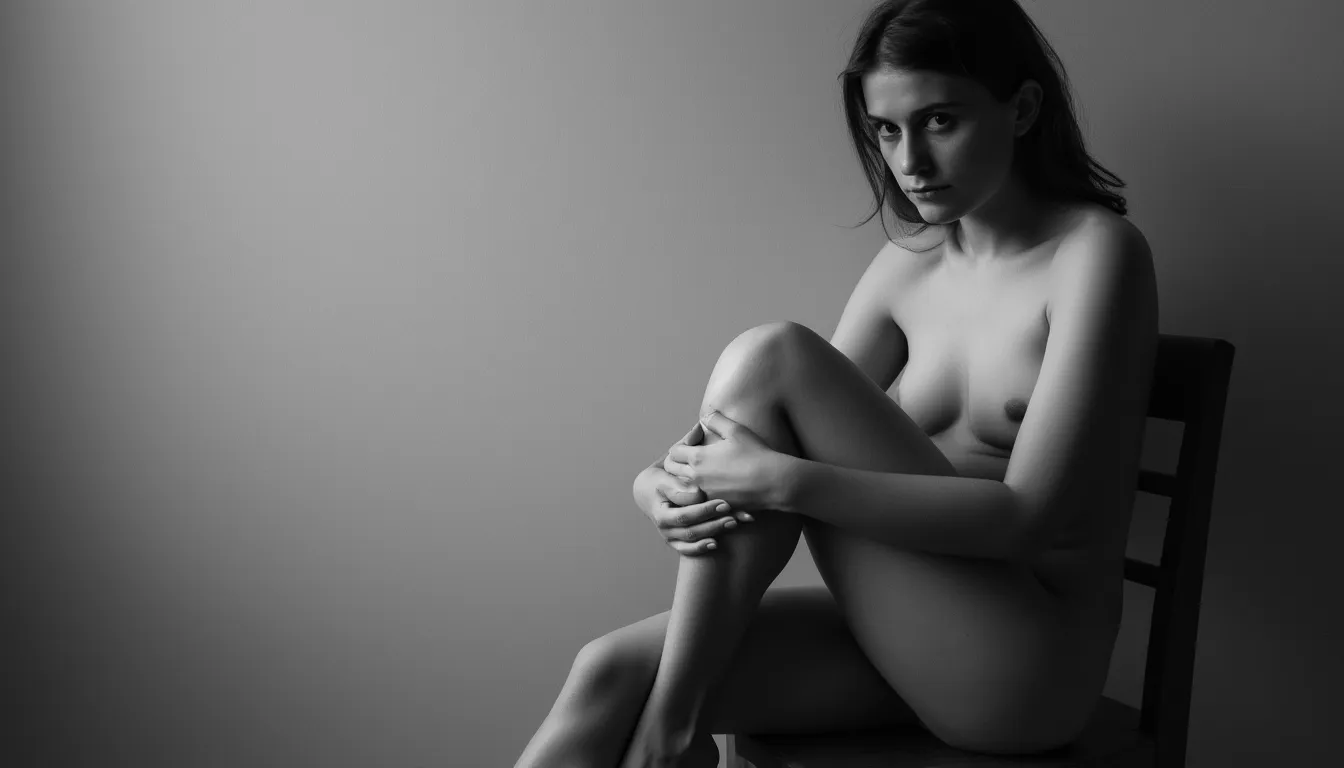
Black and white nude photography is like a fine wine—complex, evocative, and best enjoyed without distractions. It strips away the noise of color, letting the human form take center stage in all its raw beauty. This art form captures not just the body, but the emotion and narrative behind it, creating images that resonate deeply with viewers.
Imagine the interplay of light and shadow revealing curves and contours, turning the ordinary into the extraordinary. It’s a dance of elegance and vulnerability that invites the audience to appreciate the artistry involved. Whether you’re an aspiring photographer or simply curious about this captivating genre, black and white nude photography offers a unique lens through which to explore the human experience. So grab your camera—or just your curiosity—and step into a world where every click tells a story worth telling.
The Art of Black and White Nude Photography
Black and white nude photography emphasizes the beauty of the human form without color distractions. This genre captures vulnerability while showcasing strength and elegance. Light and shadow play essential roles, creating a dance that highlights curves and contours.
Photographers often experiment with contrast to evoke emotion. This manipulation of light brings forth texture, enhancing the tactile quality of skin. An impactful image draws viewers into a narrative, evoking feelings that transcend mere visual appeal.
Composition holds significant importance in this art form. Balanced framing and strategic placement guide the viewer’s eye. Many photographers utilize negative space to create tension, adding depth to each shot.
Another vital element is the connection between the subject and the photographer. Trust fosters an environment where the model can express their true self. The authenticity captured in these images resonates with viewers, creating a bridge of understanding.
Choosing the right setting and lighting enhances the overall impact of the image. Natural light often produces softer shadows, creating an ethereal quality. Artificial lighting can generate stark contrasts, emphasizing body shapes and curves more dramatically.
Finally, post-production techniques refine the final product. Adjusting exposure and contrast ensures the image conveys the desired mood. Each decision made during this process further enhances the narrative told through each photograph.
Techniques and Approaches

This section delves into essential techniques and approaches for mastering black and white nude photography. Understanding lighting and composition plays a pivotal role in creating striking images.
Lighting Techniques
Natural light enhances the softness of skin tones, creating a delicate atmosphere. Artificial lighting adds drama, effectively sculpting the human form with shadows. High contrast setups emphasize texture, drawing attention to the contours of the body. Softboxes produce diffused light, reducing harsh shadows and enhancing elegance. Experimenting with backlighting highlights silhouettes, offering unique perspectives on the subject. Unconventional sources, like candles or streetlights, introduce warmth and mood to the composition. Photographers often assess the time of day for optimal natural light, ensuring scenes resonate emotionally.
Composition Tips
Balanced framing directs the viewer’s eye to the subject, reinforcing focus on the human form. Negative space plays a crucial role, adding depth and tension to the image. Angles create visual interest; high and low perspectives provide new interpretations of the subject’s form. Lines and curves enhance aesthetics, guiding the viewer through the photograph. Placement of the subject should consider the rule of thirds, fostering harmony in the composition. Simplicity often conveys powerful messages; removing clutter strengthens the narrative. Thoughtful use of props can enrich the story without distracting from the subject.
Historical Context
Black and white nude photography has a rich history that reflects artistic evolution and cultural shifts. This genre not only captures the human form but also conveys profound narratives.
Pioneers of Black and White Nude Photography
Early figures like Edward Weston and Ruth Bernhard played crucial roles in shaping black and white nude photography. Weston’s striking compositions emphasized form and texture, transforming nudes into abstract expressions. Bernhard’s work celebrated the beauty and sensuality of the human body, pioneering stylistic approaches still admired today. Their contributions established foundational techniques, influencing generations of photographers who followed. The art form gained traction as these pioneers pushed boundaries, creating iconic images that sparked conversation and reflection.
Evolution Over the Decades
Throughout the decades, black and white nude photography experienced significant evolution. The 1960s brought a shift towards more experimental styles, highlighting avant-garde expressions and challenging societal norms. Photographers like Cindy Sherman and Robert Mapplethorpe explored themes of identity and sexuality, expanding the genre’s boundaries. The 1980s and 1990s introduced a resurgence of classic techniques, blending traditional approaches with modern concepts. As technology advanced, digital manipulation allowed for new creative possibilities, transforming how artists approach this art form. The ongoing evolution reflects changing values and aesthetics, demonstrating its enduring relevance in contemporary photography.
Contemporary Trends
Contemporary trends in black and white nude photography reflect the genre’s dynamic nature and evolving aesthetics.
Modern Influencers in the Field
Modern influencers reshaping black and white nude photography include artists like Julia Margaret Cameron and Helmut Newton. Their distinct styles brought new perspectives, merging classical techniques with contemporary narratives. Each photographer introduces innovative approaches to composition and lighting, inspiring emerging talent. Notable figures often share their work through social media platforms, engaging a wider audience. The relationships between these artists and their subjects foster authenticity, resonating with viewers. Their unique interpretations highlight the delicate balance between elegance and raw emotion in nude photography.
The Role of Technology
Technology plays a significant role in the evolution of black and white nude photography. Digital cameras enhance capturing detail, offering greater flexibility in exposure settings. Software applications allow photographers to manipulate images, adjusting contrast and texture seamlessly. Innovative editing tools enable the exploration of diverse styles, pushing creative boundaries. Additionally, online portfolios and social media provide platforms for showcasing artwork, expanding reach and influence. The ease of access to high-quality equipment empowers both amateur and professional photographers to experiment in this genre. Embracing technology enhances artistic expression, contributing to the continued relevance of black and white nude photography.
Ethical Considerations
Ethics play a vital role in black and white nude photography. Consent from the subject stands as a fundamental principle. Photographers must ensure models understand the use of their images and how they will be shared or displayed. Respecting boundaries encourages a trusting relationship between photographer and subject.
Privacy concerns often arise in this genre. Image distribution can lead to unintended exposure, making it essential for photographers to communicate clearly about where images will appear. Establishing agreements helps protect both parties and maintains the integrity of the work.
Cultural sensitivity also needs consideration. Nude photography can carry different connotations across cultures. Photographers should research and respect these cultural frameworks, ensuring that their work doesn’t perpetuate stereotypes or cause offense.
Body positivity promotes a healthy representation of the human form. This approach encourages diverse body types and celebrates individuality. A focus on authenticity allows photographers to challenge societal norms and highlight beauty in various forms.
Lastly, the intention behind the art matters. Creating work to evoke emotion or provoke thought engages audiences more profoundly. Ethical photographers reflect on their motivations, ensuring their art contributes positively to conversations about the human experience.
Understanding these ethical considerations enhances the quality of black and white nude photography. Artists who uphold these principles not only foster trust but also enrich the narrative they share through their images.
Black and white nude photography stands as a powerful medium that captures the essence of the human form in its purest state. By focusing on light and shadow it creates a dialogue that resonates deeply with viewers. The genre’s ability to evoke emotion and tell stories through composition and contrast makes it a timeless art form.
As photographers continue to explore new techniques and narratives they contribute to the evolution of this genre. Ethical considerations remain paramount ensuring that each image reflects respect and authenticity. Ultimately black and white nude photography not only showcases beauty but also invites reflection on the complexities of the human experience.