
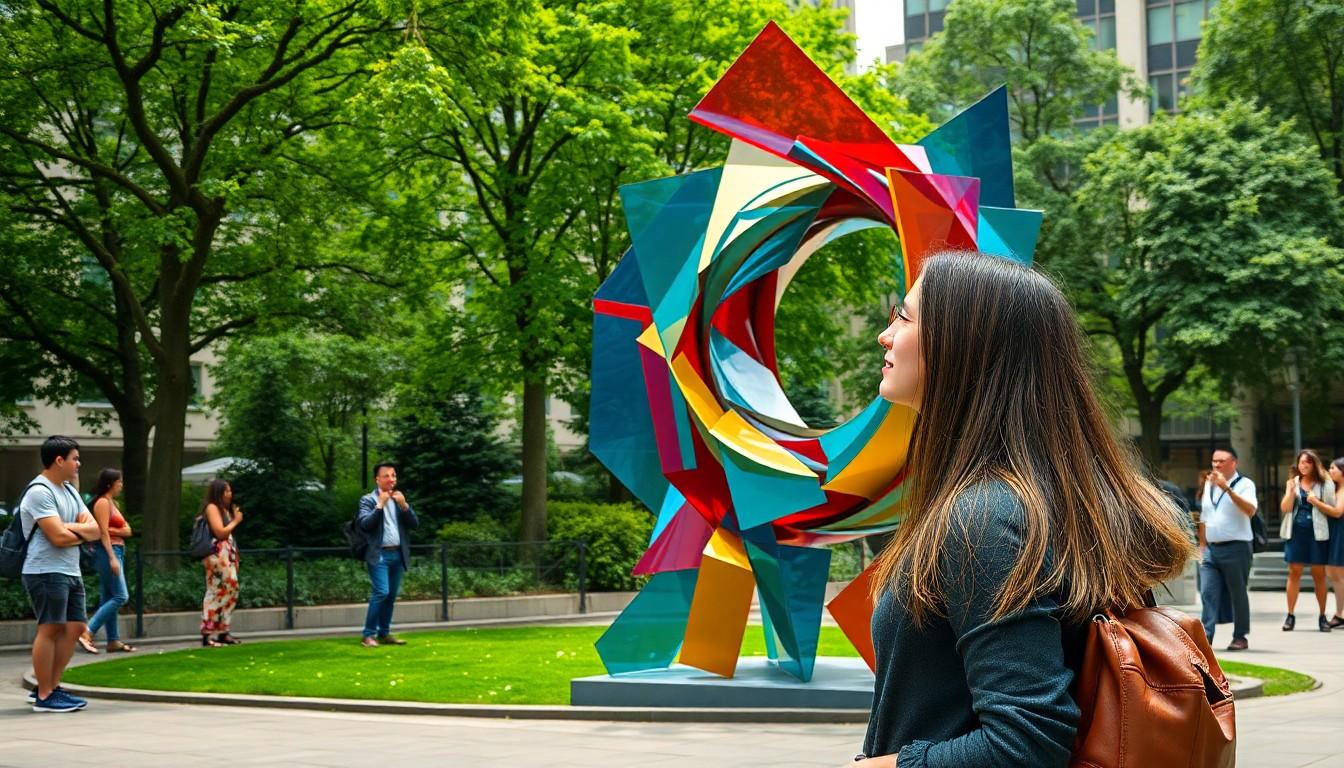
Modern art sculpture isn’t just a bunch of twisted metal and random shapes; it’s a playful dance between creativity and interpretation. Picture this: a giant banana taped to a wall, a statue that looks like it just got caught in a windstorm, or even a giant rock that costs more than your car. These pieces challenge the norm and invite viewers to question their perceptions of art.
In a world where traditional forms often take a backseat, modern sculptures are the rebellious teenagers of the art scene. They scream, “Look at me!” while also whispering profound truths about society, culture, and the human experience. So why not dive into the quirky, sometimes baffling world of modern art sculpture? It’s not just art; it’s an invitation to think outside the box—or in some cases, to question if there even is a box at all.
Overview of Modern Art Sculpture
Modern art sculpture represents a significant shift from traditional forms, embracing innovative materials and techniques. Artists often use metal, glass, and found objects to create compelling works that evoke thought and emotion. An example includes the iconic “Fountain” by Marcel Duchamp, which challenged preconceived notions of art by presenting a urinal as a sculpture.
Sculptures in this movement often prioritize conceptual depth, encouraging viewers to engage with the ideas behind the pieces. The use of everyday objects, as seen in Claes Oldenburg’s oversized food sculptures, demonstrates how mundane items can provoke dialogue about consumerism and culture.
Interactive installations, like those by Anish Kapoor, invite audience participation, blurring the line between viewer and artwork. Exhibits may also incorporate modern technologies, such as digital media, adding layers to the viewer’s experience.
Diverse themes permeate these works, addressing topics such as identity, environment, and societal change. Contemporary artists challenge the expectations of what sculpture can represent, often using vibrant colors and abstract forms to evoke a range of emotions.
Collectively, these aspects establish modern art sculpture as a dynamic field that fosters creativity and invites critical examination. Each piece serves as a conversation starter, encouraging both personal reflection and broader discussions on cultural contexts.
Key Characteristics of Modern Art Sculpture
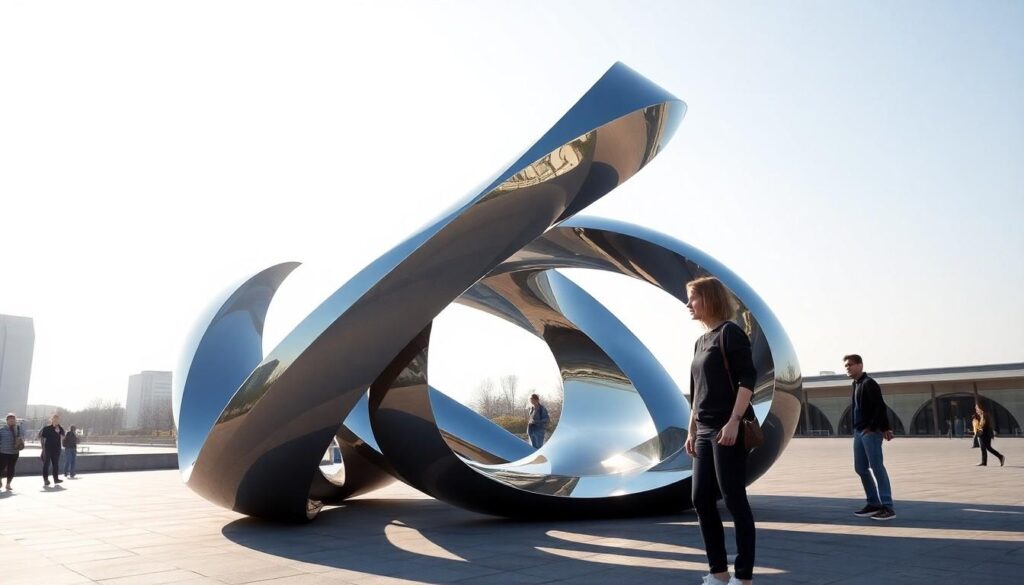
Modern art sculpture stands out for its diverse materials and innovative techniques, pushing boundaries in artistic expression. Artists break away from traditional mediums, opting for metal, glass, and even unconventional found objects. This freedom in material choice transforms artworks into thought-provoking pieces, highlighting the creative potential within everyday items. Marcel Duchamp’s “Fountain” serves as a prime example, challenging perceptions of art by elevating a urinal to artistic status.
Material and Techniques
Artists frequently incorporate unique materials into their modern sculptures, emphasizing experimentation. Metals, such as bronze and stainless steel, bring durability and shine. Glass allows for sculptural transparency, while recycled materials add environmental consciousness. Techniques often involve welding, molding, and assemblage, enabling creators to manipulate forms and structures dynamically. Such methods not only enhance aesthetic appeal but also spark dialogues on the nature of art and creativity.
Innovative Forms and Styles
Modern sculptures often feature innovative forms and styles that defy expectations. Abstract shapes and fluid lines frequently dominate the landscape, pushing the viewer’s imagination. Some artists create oversized installations, like Claes Oldenburg’s playful giant food sculptures, provoking conversations about consumerism and culture. Interactive elements, such as those found in Anish Kapoor’s work, sometimes invite audience participation, blurring the line between spectator and artwork. These innovations reflect an ongoing evolution in sculpture, capturing contemporary societal themes while fostering deeper engagement.
Notable Modern Art Sculptors
This section highlights influential modern art sculptors, showcasing their unique contributions to the field and their significant artworks.
Artist Spotlight: Henry Moore
Henry Moore stands out as one of the most significant figures in modern art sculpture. His works often emphasize organic forms and human figures, reflecting a deep connection to nature. One of his iconic pieces, “Reclining Figure,” showcases his characteristic style, merging abstraction with representational forms. Moore utilized materials like stone and bronze to create large-scale installations that frequently appear in public spaces. His emphasis on positive and negative space invites viewers to engage with the sculptures from multiple perspectives. Notably, Moore’s ability to blend emotional depth with structural integrity continues to inspire contemporary artists.
Artist Spotlight: Louise Bourgeois
Louise Bourgeois made a remarkable impact on modern sculpture through her exploration of themes like femininity, family, and the subconscious. Her works often feature evocative materials such as fabric and bronze, which symbolize personal memories and experiences. Noteworthy pieces like “Maman,” a giant spider sculpture, encapsulate her complex relationship with motherhood. The intricate details of her sculptures invite contemplation and emotional connection. Bourgeois approached art as a means of therapy, reflecting her inner struggles and traumas. Her bold expressions continue to resonate with audiences, solidifying her status as a pioneering figure in modern art.
Impact of Modern Art Sculpture on Society
Modern art sculpture significantly influences societal perceptions and discussions. It challenges traditional norms, pushing individuals to consider new definitions of art. Creative expressions evoke emotions and stimulate conversations about cultural values and identities. Sculptures such as Damien Hirst’s “The Physical Impossibility of Death in the Mind of Someone Living” highlight themes of mortality, prompting reflections on life and existence.
Public installations engage communities, making art accessible to diverse audiences. They encourage viewer interaction, transforming the mundane into extraordinary experiences. Artists like Yoko Ono use participatory elements, inviting the public to contribute to the artwork, thus fostering a sense of belonging and shared experience.
Critically, modern art sculpture sheds light on pressing social issues. Works addressing consumerism, environmental concerns, and identity politics resonate deeply with viewers. For instance, Ai Weiwei’s installations confronting human rights and freedom of expression provoke critical thought and action.
Art education also benefits from the impact of modern sculptures. Institutions incorporate contemporary pieces into curricula, enhancing discussions about aesthetics and philosophy. Students engage directly with artworks, fostering critical thinking and encouraging a hands-on approach to artistic evaluation.
Through global exhibitions, modern art sculpture cultivates cross-cultural dialogue. Events like the Venice Biennale showcase international perspectives, allowing artists to reflect diverse experiences. This exchange enriches artistic expression and fosters understanding across cultures, making art a powerful tool for social change.
Future Trends in Modern Art Sculpture
Emerging technologies lead the way in modern art sculpture, allowing artists to experiment with new possibilities. 3D printing, for instance, offers unprecedented design flexibility. Many creators leverage this technique to produce intricate and unique pieces, melding craftsmanship with digital precision.
Sustainability emerges as a growing priority in modern sculptures, encouraging artists to explore eco-friendly materials. Some sculptors utilize recycled materials, transforming waste into meaningful art. This trend not only addresses environmental concerns but also pushes the boundaries of creativity.
Interactive installations are gaining traction, inviting viewer participation and engagement. Artists are creating immersive experiences, allowing audiences to become part of the artwork itself. These pieces challenge the traditional observer-artist relationship, fostering a deeper connection.
Augmented reality (AR) also shapes modern art sculpture’s future, providing layers of meaning and context through technology. Viewers can interact with digital components, enhancing their understanding of the physical piece. This trend facilitates enriched experiences, drawing in a wider audience.
Global collaborations are on the rise, resulting in cross-cultural dialogues that enrich the artistic landscape. As artists from diverse backgrounds come together, they create sculptures that reflect a blend of perspectives. This collaborative effort promotes inclusivity and fosters a shared appreciation for art.
Finally, the impact of social issues continues to influence contemporary sculptors. Their works often address themes of identity, politics, and human rights. This trend ensures that modern sculptures remain relevant, provoking thought and conversation in today’s society.
Modern art sculpture stands as a testament to creativity and innovation. It challenges viewers to reconsider their perceptions of art and engage with profound societal themes. By embracing unconventional materials and techniques, artists create works that resonate on emotional and intellectual levels.
As the field continues to evolve, it invites new voices and perspectives, ensuring its relevance in contemporary discourse. The dynamic nature of modern sculptures not only reflects cultural shifts but also fosters community engagement and dialogue. Ultimately, this art form remains a powerful medium for expression and social commentary, inspiring future generations to explore the boundaries of creativity.