
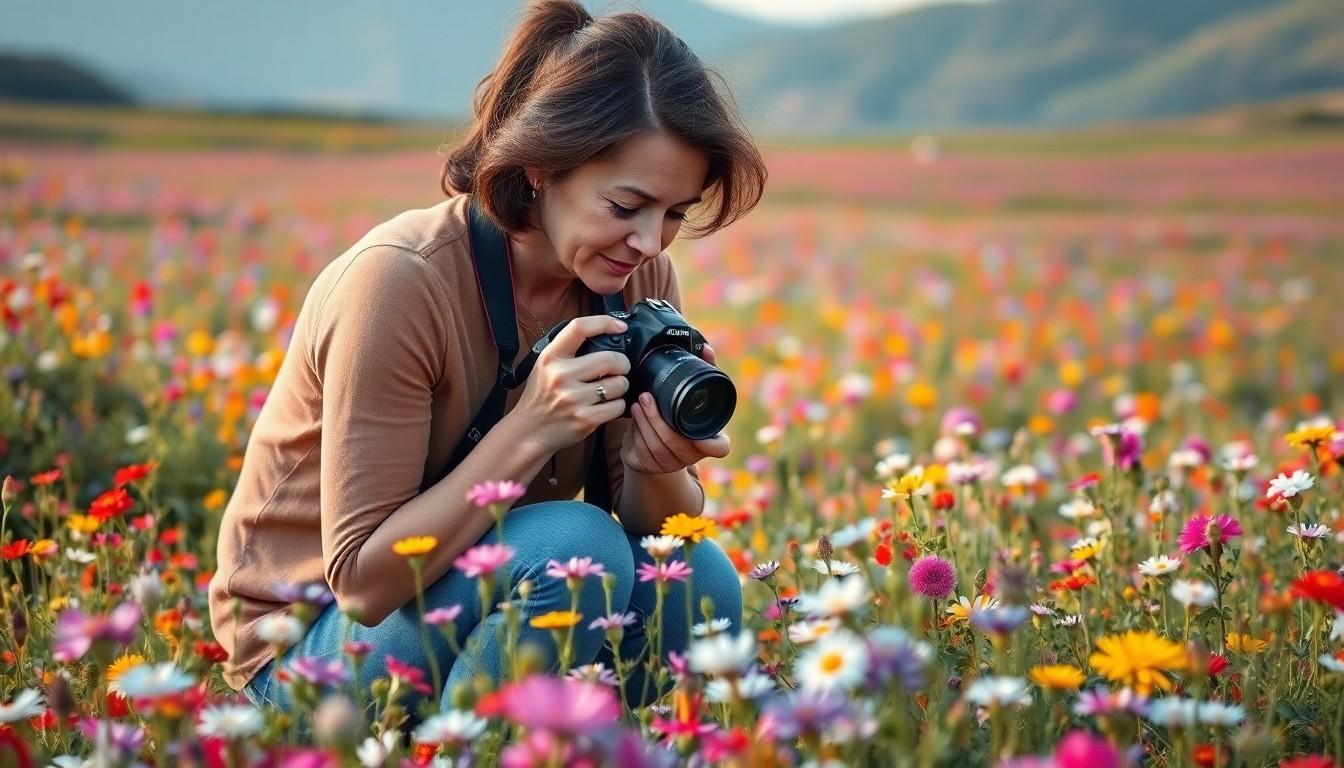
Wildflower photography isn’t just about snapping pretty pictures; it’s a delightful adventure that combines nature’s artistry with a photographer’s eye. Imagine wandering through vibrant fields, surrounded by a kaleidoscope of colors, while trying to capture the perfect bloom without stepping on a bee. It’s a skill that requires patience, a dash of luck, and maybe a bit of yoga to get that perfect angle!
Overview of Wildflower Photography
Wildflower photography captures the vibrant essence of nature through the lens. Photographers experience a unique adventure, where the beauty of wildflowers merges with their individual perspectives. Various skills enhance this art form, including a keen eye for detail and an understanding of light conditions.
Capturing stunning images requires selecting the right time of day. Golden hours, just after sunrise and before sunset, provide soft natural lighting that enhances colors and textures. Different locations offer unique flower varieties, influencing the composition and overall impact of each photograph.
Technical knowledge plays a vital role in achieving great shots. Using proper equipment, such as macro lenses for close-ups or tripods for stability, leads to sharper images. Understanding camera settings, including aperture, shutter speed, and ISO, allows photographers to adapt to varying conditions.
Patience remains crucial in wildflower photography. Waiting for the perfect moment, such as a gentle breeze or an approaching butterfly, transforms a simple shot into a captivating image. Creatively framing compositions adds depth, guiding the viewer’s eye through the photograph.
Respect for the environment plays an essential part in the process. Avoiding damage to delicate blooms and their habitats fosters sustainable photography practices. Following ethical guidelines ensures the preservation of these natural wonders for future generations.
Connecting with fellow photography enthusiasts enriches the experience. Sharing techniques and locations sparks creativity and inspires new ideas. Wildflower photography serves as both a personal journey and an artistic expression rooted in nature’s beauty.
Essential Equipment for Wildflower Photography
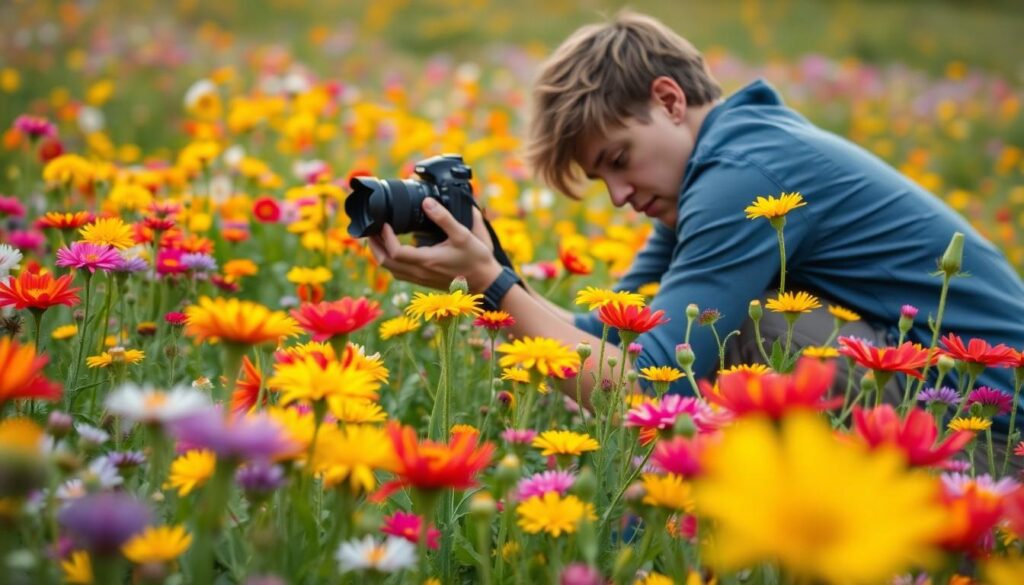
Having the right equipment enhances the wildflower photography experience. Photographers need tools that support creativity and technical precision.
Camera Types
DSLR cameras offer flexibility and high-quality images across various conditions. Mirrorless cameras provide compactness without sacrificing image quality. Point-and-shoot cameras are excellent for simplicity and portability on outdoor adventures. Each camera type has unique advantages suited for different photography levels and styles.
Lenses to Consider
Macro lenses are essential for capturing intricate details of wildflowers. Prime lenses, known for sharpness and large apertures, excel in low light. Telephoto lenses allow photographers to shoot from a distance, minimizing disturbance to the environment. Wide-angle lenses are great for capturing expansive fields filled with blooms. Each lens option caters to specific shooting scenarios, enhancing the overall quality of images.
Techniques for Capturing Stunning Wildflower Photos
Capturing beautiful wildflower photos involves careful consideration of both composition and lighting. Implementing thoughtful techniques enhances the overall quality and artistic expression of images.
Composition Tips
Prioritizing composition transforms ordinary photos into striking visuals. Use leading lines to guide the viewer’s eye toward the subject. Frame wildflowers with surrounding elements to provide context. Experimenting with different angles reveals unique perspectives. Additionally, incorporating the rule of thirds helps create balanced images. Always consider the background for distractions that may detract from the main subject. By filling the frame with wildflowers, photographers can emphasize details and textures. Lastly, working with foreground and background elements adds depth to the composition.
Lighting Considerations
Lighting plays a crucial role in wildflower photography. Golden hours, right after sunrise and before sunset, provide soft, warm light ideal for capturing vibrant colors. Positioning the light source behind the subject can create a backlit effect that enhances petals’ translucency. Utilizing diffused light on overcast days softens shadows and promotes even brightness. Pay attention to harsh midday sunlight that may wash out colors or create unflattering shadows. Reflectors can bounce light onto the flowers for additional illumination. Lastly, experimenting with artificial light sources, like speedlights, allows for creative flexibility in varied conditions.
Post-Processing Tips for Wildflower Photography
Post-processing enhances wildflower photographs, bringing out colors and details that honor the natural beauty. Adjusting exposure is one effective method to correct lighting imbalances. Typically, brightening shadows can reveal hidden details in flower petals.
Adding contrast sharpens the image and makes colors pop, ensuring that the vibrancy of wildflowers stands out. Saturating colors slightly may also enhance the richness of the flowers without creating an unnatural look. Utilizing selective color adjustments allows for deeper manipulation, enabling emphasis on specific hues while maintaining a natural appearance.
Cropping can improve composition by removing distractions from the frame, thus making the wildflowers the focal point. Experimenting with different aspect ratios can also yield pleasing results. Shooting in RAW format ensures maximum flexibility when it comes to adjustments during post-processing, as this file type retains more information.
Noise reduction techniques play a crucial role, especially in images captured in lower light conditions. Applying noise reduction can refine the overall quality without compromising sharpness. Clarity adjustments can further enhance textures, bringing the intricate details of petals and leaves into clearer focus.
Using filters in post-processing helps achieve a particular mood or atmosphere, whether it’s emulating a sunny day or creating a soft, dreamy effect. Keeping adjustments subtle ensures the final image remains lifelike, allowing the wildflower’s essence to shine through.
Finally, sharing before-and-after images on platforms focused on photography fosters community engagement and feedback, encouraging continuous improvement. Emphasizing these post-processing techniques cultivates a deeper appreciation for wildflower photography as an art form grounded in both nature and creativity.
Popular Locations for Wildflower Photography
Many photographers seek out diverse landscapes to capture vibrant wildflowers. National parks provide a wealth of opportunities, with locations like Yellowstone and Joshua Tree showcasing unique flora. Indian Paintbrush and Bluebell species flourish in these areas, offering stunning colors against stunning backdrops.
State parks also feature breathtaking wildflower displays. Great Smoky Mountains State Park presents a rich variety of wildflowers within a lush forest environment. Each spring, the park transforms into a tapestry of colors that attracts both photographers and nature lovers.
Wildflower fields, such as those in Texas, specifically the Hill Country, offer expansive views filled with Bluebonnets. These iconic flowers bloom in early spring, creating picturesque scenes that draw visitors from all over. The fields become vibrant canvases, ideal for wide-angle shots.
Deserts, with their unexpected bursts of color, are another excellent option. Anza-Borrego Desert State Park in California transforms after rains, showcasing California poppies and other resilient species. Photo opportunities abound in this otherwise harsh landscape.
Coastal regions also host unique wildflower varieties. Point Reyes National Seashore features native species along rugged cliffs and sandy beaches, blending floral beauty with seascapes. Creative compositions can emerge from this diverse setting.
Overall, the key to successful wildflower photography lies in choosing the right location during peak bloom times. Tracking seasonal changes enhances the chances of finding vibrant displays. Knowing where to go and what to capture contributes significantly to the overall artistic experience.
Wildflower photography offers a unique blend of adventure and artistry. It invites photographers to immerse themselves in nature while honing their skills and creativity. By respecting the environment and mastering technical aspects, they can capture breathtaking images that tell a story.
The journey doesn’t end with taking photos. Post-processing and sharing work with the community foster growth and inspiration. Each photograph becomes a reflection of the beauty found in wildflowers and the photographer’s perspective. Embracing this art form not only enhances one’s skills but also deepens the connection with the natural world.