

When it comes to art, some pieces are worth more than a small fortune—they’re worth a king’s ransom! Imagine walking into an auction house and seeing a painting that could buy you a private island, a fleet of luxury cars, or even a lifetime supply of pizza. The world of art is filled with masterpieces that not only capture emotions but also attract jaw-dropping price tags.
Overview of The Most Valuable Painting
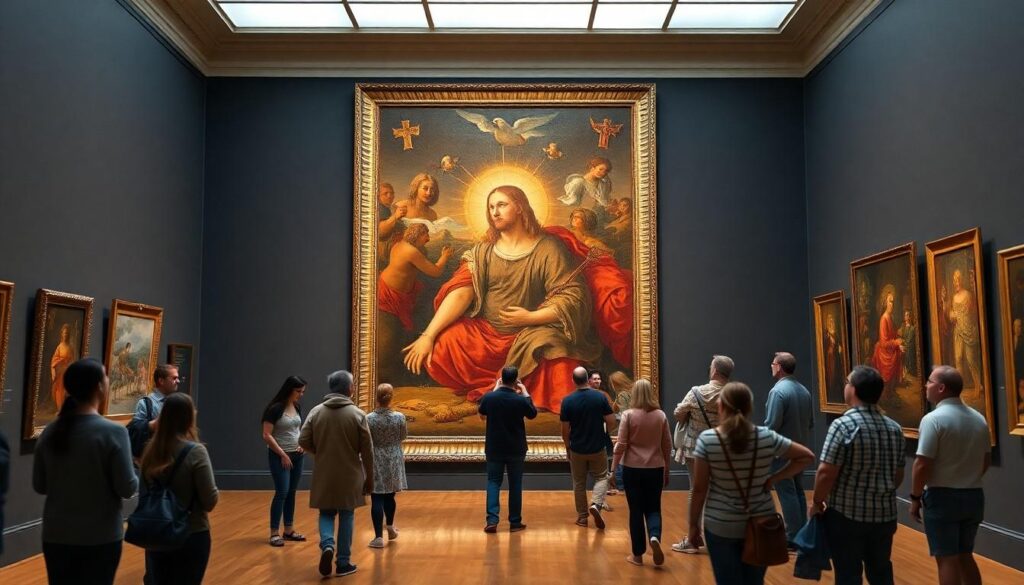
The most valuable painting to date is Leonardo da Vinci’s “Salvator Mundi.” Sold for $450.3 million at a Christie’s auction in November 2017, this artwork set a record in the art market. It portrays Christ holding a crystal orb, symbolizing his role as the savior of the world.
Auction houses feature numerous high-profile sales, with “Salvator Mundi” emerging as a standout example. Unique provenance adds to its allure. Experts note its restoration history and the mystery surrounding its authenticity, which fuels public intrigue.
Another significant work, Picasso’s “Les Femmes d’Alger,” achieved $179.4 million at auction in 2015. This sale solidified the artist’s dominance in the high-value art sector. The emotional depth and vibrant colors characterize Picasso’s style, making his pieces desirable for collectors.
The art market continues evolving, with contemporary artists gaining prominence. Jeff Koons’ “Rabbit” sold for $91.1 million in 2019, highlighting shifting trends. Demand for modern works reflects interests of new collectors, eager for investment in current creators.
Economic factors play a crucial role in art valuation. Market dynamics fluctuate based on collector interests and global wealth distribution. Paintings by iconic artists consistently command high prices, yet emerging talent offers potential for profitable investments.
Art serves both aesthetic enjoyment and financial gain. Investors often seek pieces that appreciate over time. The allure of owning a significant work combines emotional connection and monetary value, making the art world an intriguing landscape for collectors.
Historical Context
Art’s value isn’t just a reflection of aesthetics; it intertwines with historical significance and cultural movements. Various artists and their contributions shape the art market’s landscape.
Key Artists and Movements
Leonardo da Vinci, Pablo Picasso, and modern artists like Jeff Koons dominate the conversation around valuable art. Their unique styles and innovations define pivotal art movements. Da Vinci represents the Renaissance, while Picasso thrives in Modernism. Emerging artists challenge norms, pushing boundaries and redefining value in contemporary pieces. Collectors often gravitate towards artists whose work reflects cultural sentiments, impacting market prices.
Significant Sales in Art History
Significant sales highlight art’s monetary potential. Leonardo’s “Salvator Mundi” smashed records, commanding $450.3 million at auction in 2017. Picasso’s “Les Femmes d’Alger” followed with a price of $179.4 million in 2015. Each transaction illustrates the financial prestige associated with art. These monumental sales often reflect broader market trends and collector motivations, showcasing how historical context influences value perceptions.
Features of The Most Valuable Painting
The characteristics of the most valuable painting offer insight into its unmatched status in the art world. Leonardo da Vinci’s “Salvator Mundi” serves as a prime example of these features.
Artistic Techniques
Da Vinci’s mastery in chiaroscuro creates striking contrasts between light and shadow, enhancing the painting’s depth. Layered glazes contribute to the luminous quality of the work, making each color distinctive. Fine details in facial expression reveal the skillful brushwork he employed. The use of sfumato, a technique for softening transitions between colors, adds a sense of realism that draws viewers in. Distinctive elements like the intricate drapery and serene background landscapes showcase his ability to blend technical precision with artistic emotion. Each of these techniques elevates “Salvator Mundi” beyond a mere painting, marking it as a significant achievement in art history.
Iconic Symbolism
“Salvator Mundi” embodies profound religious symbolism, depicting Christ as the Savior of the World. The orb in Christ’s left hand signifies his dominion over the universe, a powerful statement of faith. Through various interpretations, the painting reflects themes of hope and redemption. Elements such as the serene expression and the gesture of blessing reinforce its spiritual significance. Additionally, the artwork’s rich historical context adds layers to its meaning, tying it to the Renaissance era’s values. This convergence of symbolism and artistry captivates viewers and collectors alike, making it a focal point in discussions about the most valuable paintings in history.
Impact on the Art Market
The art market experiences significant shifts driven by record sales and evolving trends. Art, both an investment and a means of expression, engages collectors in unique ways.
Record Sales and Auctions
Record sales redefine the art market on an ongoing basis. “Salvator Mundi,” sold for $450.3 million, exemplifies how one painting can alter perceptions of value. Iconic auctions create excitement, drawing attention from global collectors. When Picasso’s “Les Femmes d’Alger” fetched $179.4 million in 2015, it demonstrated lasting demand for masterpieces. The trend continues with Jeff Koons’ “Rabbit,” selling for $91.1 million in 2019. Each record-breaking sale signals investor confidence and influences future auction results. Market dynamics and collector interests contribute to rapidly rising values, creating a competitive atmosphere that propels the art world forward.
Influence on Contemporary Artists
Contemporary artists feel the impact of record sales on their careers. Success stories like Koons inspire emerging artists to explore innovative techniques and styles. Increased visibility for high-value pieces often leads to a surge in interest for similar works. Auctions spotlight artists whose careers gain momentum through high-profile sales. The demand for unique and impactful art drives creation in unique directions, encouraging experimentation. Financial rewards serve as motivation for artists seeking recognition in a crowded market. Focus on generating engaging content resonates with collectors seeking fresh perspectives. Emerging talent increasingly finds opportunities to tap into the lucrative aspects of the art market.
The realm of high-value art continues to captivate both collectors and enthusiasts alike. Iconic pieces like “Salvator Mundi” and “Les Femmes d’Alger” not only showcase the extraordinary talent of their creators but also reflect the evolving dynamics of the art market. As record-breaking sales reshape perceptions of value, they inspire a new generation of artists and collectors.
The intersection of artistic mastery and financial investment highlights the dual nature of art. It’s a powerful reminder that beyond the price tags lie stories of creativity and cultural significance. The art world remains an ever-changing landscape where emotional expression meets lucrative opportunities, ensuring its allure endures for years to come.