

Winston Churchill wasn’t just a master of wartime rhetoric; he was also a surprisingly talented painter. Who knew that the man who rallied a nation with his speeches could also wield a paintbrush with such flair? Churchill’s passion for painting offers a fascinating glimpse into the mind of a leader who found solace and creativity in the arts, even amidst the chaos of war.
Imagine the scene: a cigar in one hand, a palette in the other, as he transformed blank canvases into vibrant landscapes. His artwork might not hang in the Louvre, but it captures the spirit of a man who believed in beauty as a form of resilience. Dive into the colorful world of Churchill’s paintings and discover how this unexpected hobby not only shaped his legacy but also provided a much-needed escape from the pressures of leadership.
Overview of Churchill Painting
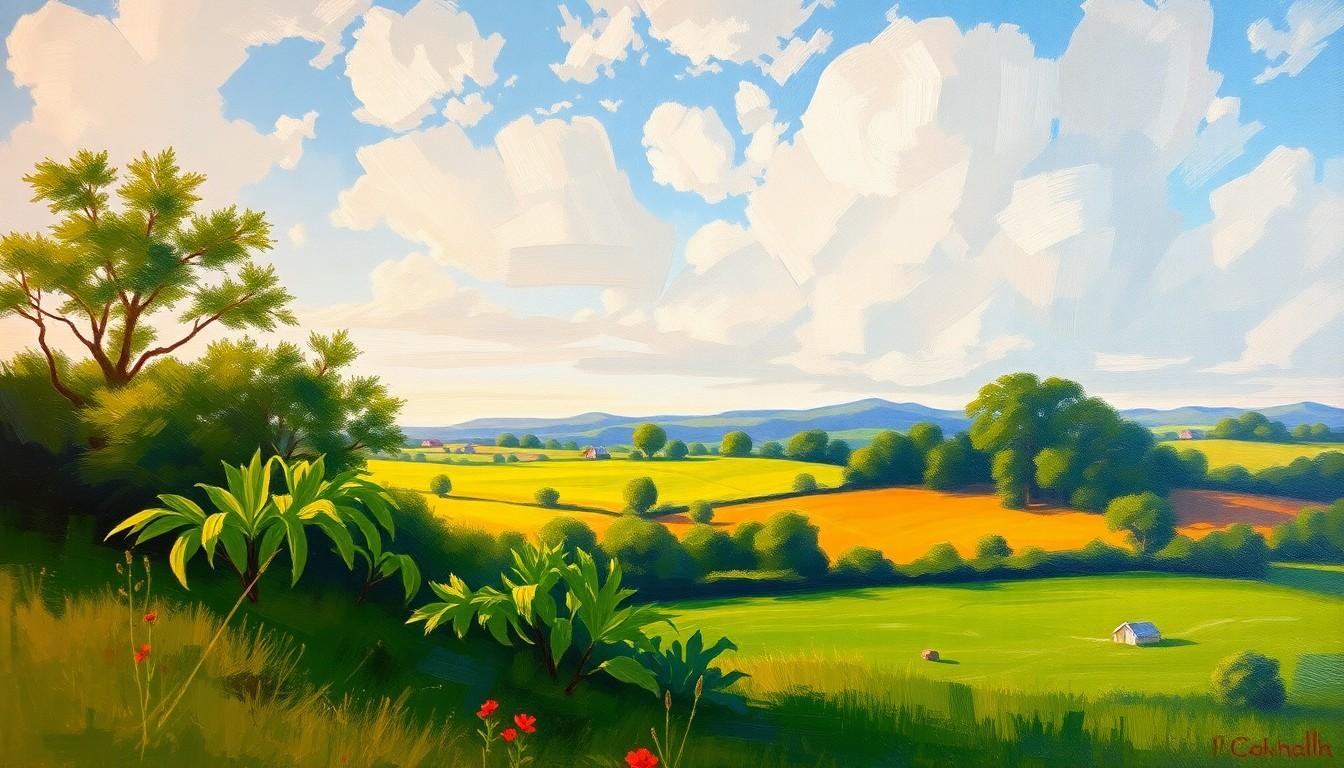
Winston Churchill engaged deeply with painting throughout his life, finding refuge in its creative process. His artwork reflects a wide range of subjects, including landscapes, seascapes, and rural scenes. Known for vibrant colors and expressive brushwork, his paintings capture the beauty of nature and evoke emotional resonance.
Creative exploration flourished during his post-political years, particularly from the 1940s onward. This period showcased an intensifying engagement with oil painting as his preferred medium. Images of the British countryside, such as those from Chartwell, his home, often found their way onto his canvases.
Artistic techniques evolved over time, revealing Churchill’s impressive grasp of light and shadow. Landscapes became a window into his soul, illustrating moments of peace against a backdrop of historical turbulence. His dedication topainting provided a therapeutic escape, balancing the stress of his political career.
Recognition of Churchill’s artwork grew, particularly after his death in 1965. Exhibitions showcased his paintings, highlighting the significant role art played in his life. Collectors and art enthusiasts appreciate his work for its historical context and unique perspective.
Today, the legacy of Churchill’s paintings continues to captivate audiences. It represents more than just a form of expression; it serves as a testament to his resilience amidst challenges. Studying his artwork reveals insights into a multifaceted figure, blending political leadership with artistic passion.
Historical Significance
Winston Churchill’s engagement with painting offers a unique lens to view his historical significance. This passion allowed him to express himself during turbulent times and showcased aspects of his character beyond politics.
Churchill as a Painter
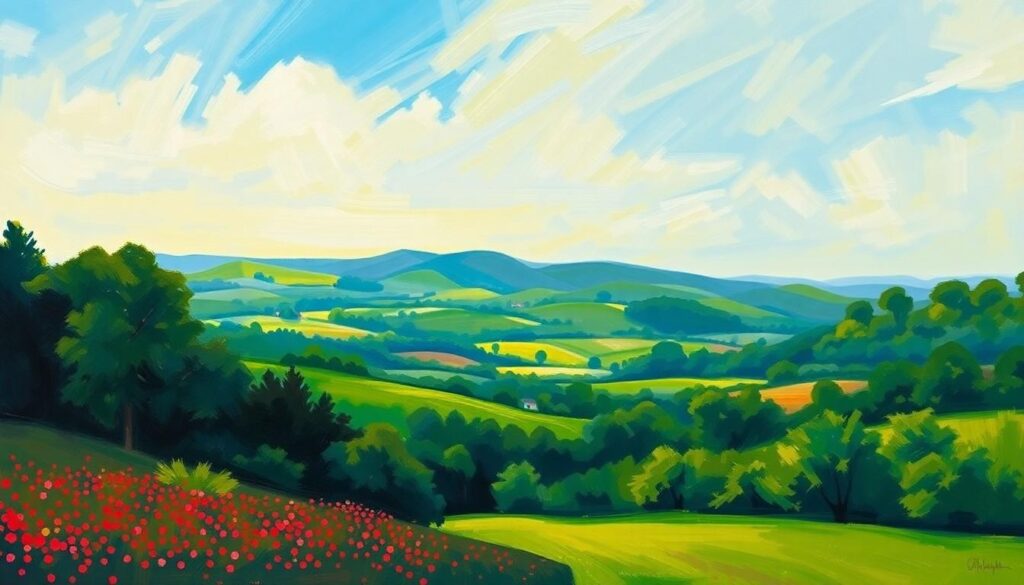
Churchill embraced painting as a therapeutic outlet, especially during challenging periods of his life. His works, predominantly created in oil, demonstrate his evolving techniques over time. Landscapes from his beloved Chartwell feature prominently, highlighting his deep connection to nature. Churchill’s vibrant use of color and expressive brushwork reveal more than just visual aesthetics; they convey his emotions and reflections on life. Engaging with art provided him not only solace but also a means of communication during his political career.
Impact on Art Movements
Churchill’s artistic contributions, while not traditionally linked to formal art movements, significantly impacted perceptions of painting among political leaders. His works resonate with themes of resilience and beauty, influencing artists who view politics as intertwined with creative expression. By adopting a more personal style, he inspired others to explore similar relationships between their identities and their art. Museums and galleries now celebrate his paintings as part of the broader narrative of 20th-century art, demonstrating the fusion of politics and creativity. Exhibitions highlight how Churchill’s legacy as a painter continues to inspire new generations in appreciating the intersections of art and leadership.
Analysis of Notable Works
Churchill’s artwork reveals his deep connection to the world around him, showcasing his talents in multiple forms of painting.
Landscape Paintings
His landscape paintings reflect a profound appreciation for nature. Vibrant colors enliven his canvases, presenting scenes from the British countryside. Many works capture the light and mood of the seasons, particularly those created at Chartwell. Brushstrokes evoke emotion, providing insight into his thoughts during turbulent times. Artists often recognize his evolving techniques in these landscapes, suggesting growth and mastery. Viewers find a sense of tranquility and resilience in his depictions, highlighting his ability to find peace amidst chaos.
Portraits and Depictions
Portraits represent another significant aspect of Churchill’s artistry. Focused on capturing the essence of his subjects, these works reveal more than mere likenesses. Deep insights emerge, illustrating character and personality. He would often portray friends, family, and historical figures, revealing layers of connection through paint. Bold colors and expressive brushwork enhance emotional depth, allowing viewers to feel the subjects’ spirits. Each painting tells a story, bringing forth the artist’s perspective on humanity and relationships within the context of his life.
Reception and Criticism
Churchill’s paintings evoke diverse reactions and insight from critics and art lovers alike. The contemporary view respects his exploration of art as a vital aspect of his identity beyond politics.
Contemporary Views
Today, art critics and historians appreciate Churchill’s works for their emotional depth and vibrant representations of nature. Many consider his paintings a reflection of his character during challenging times. Recognition has shifted from merely viewing him as a politician to recognizing him as a serious artist. His use of color and innovative techniques impress contemporary audiences. Exhibitions featuring his art enable a deeper understanding of his multifaceted personality, encouraging discussions about the intersection of artistry and leadership.
Artistic Legacy
Churchill’s artistic legacy remains significant, particularly as a pioneer among political figures who embraced painting. His works continue to influence how leaders engage with art as a form of expression. Galleries and museums showcase his paintings alongside notable 20th-century artists, placing him within a broader narrative of creativity. Each canvas tells a story of resilience and emotional communication, offering insight into the complexities of his life and perspectives. The marriage of art and politics in his legacy inspires future generations to explore their identities through creative expression.
Churchill’s journey as a painter reveals a profound layer of his identity that transcends politics. His artwork not only reflects his emotional landscape but also serves as a reminder of the healing power of creativity during challenging times. Each vibrant canvas invites viewers to explore the beauty of nature through his eyes, showcasing his mastery of color and light.
As exhibitions continue to celebrate his artistic legacy, Churchill’s paintings inspire a dialogue about the intersection of leadership and creativity. They encourage individuals to embrace their own artistic pursuits as a means of self-expression and resilience. Through his brushstrokes, Churchill remains a testament to the enduring spirit of creativity amidst the complexities of life.